

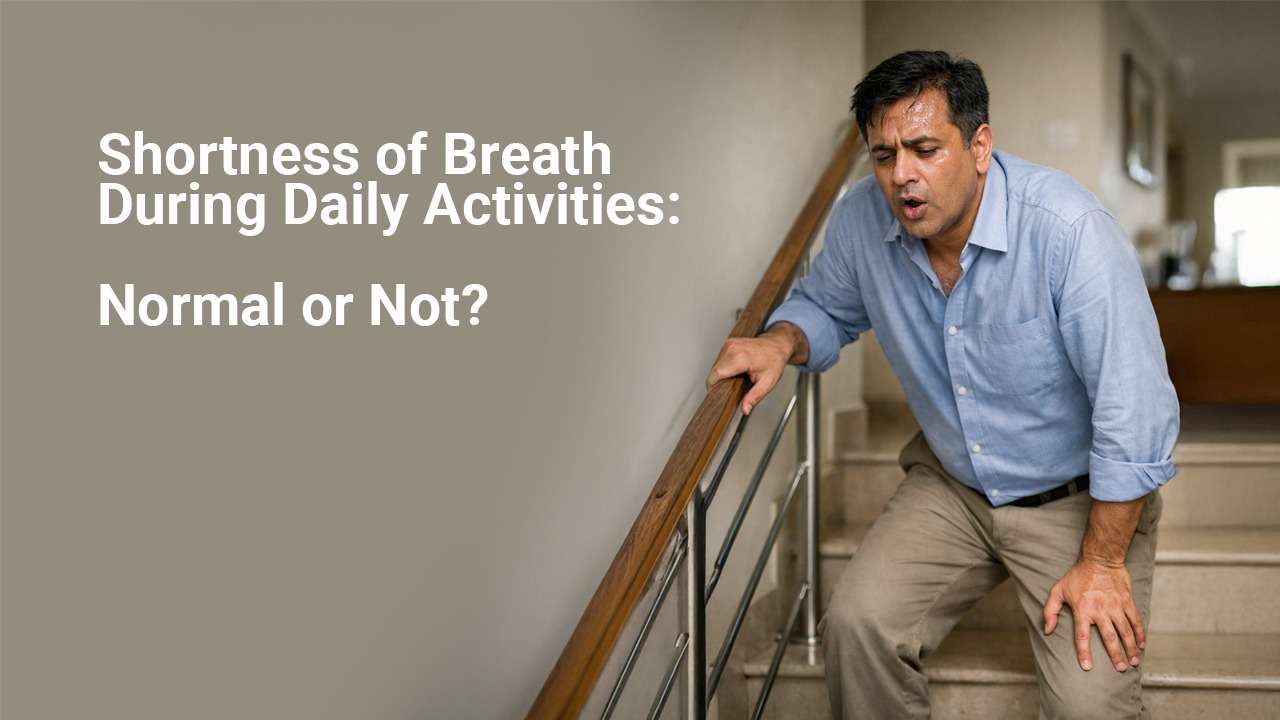
Feeling out of breath after intense exercise is expected. But what if simple activities—walking up a flight of stairs, carrying groceries, or even getting dressed—leave you gasping for air? Shortness of breath, medically known as dyspnea, is a common symptom. Sometimes it reflects temporary exertion. Other times, it may signal an underlying medical condition that requires attention. Knowing the difference is essential for protecting your lung and heart health.
At HP Ghosh Hospital, our specialists in Advanced Pulmonology frequently evaluate patients who experience unexplained breathlessness. Early assessment often makes a significant difference in outcomes.
When Is Shortness of Breath Normal?
Breathlessness can be considered normal when it:
- Occurs after strenuous physical activity
- Improves quickly with rest
- Happens occasionally
- Has an obvious cause, such as intense exercise or temporary illness
- In these situations, the body is simply responding to increased oxygen demand.
When Is It Not Normal?
Shortness of breath should not be ignored if it:
- Occurs during routine activities
- Appears suddenly or worsens rapidly
- Persists even at rest
- Is accompanied by chest pain, wheezing, cough, dizziness, or swelling of legs
- These may indicate an underlying respiratory, cardiac, or systemic condition.
Common Medical Causes
Several health issues can lead to breathlessness during daily activities:
1. Asthma
Inflammation and narrowing of airways make breathing difficult, especially during exertion or exposure to triggers.
2. Chronic Obstructive Pulmonary Disease (COPD)
Often linked to smoking or long-term pollution exposure, COPD causes progressive airflow limitation.
3. Lung Infections
Pneumonia, tuberculosis, or chronic bronchitis can reduce lung efficiency.
4. Heart Conditions
Heart failure or coronary artery disease can impair oxygen delivery to the body.
5. Anaemia
Low haemoglobin levels reduce oxygen-carrying capacity, causing fatigue and breathlessness.
6. Obesity and Deconditioning
Excess weight and low fitness levels increase the effort required for breathing.
Why Early Evaluation Matters
Breathlessness is not a diagnosis—it is a symptom. Identifying the cause early helps prevent disease progression and complications. At HP Ghosh Hospital, our Advanced Pulmonology services include:
- Pulmonary Function Tests (PFTs)
- Chest imaging
- Blood oxygen level assessment
- Exercise testing
- Specialist consultation
- This comprehensive approach supports accurate diagnosis and personalised treatment planning.
What You Can Do
If you experience shortness of breath:
- Do not ignore recurring symptoms
- Note when it occurs and what triggers it
- Avoid smoking and second-hand smoke
- Maintain a healthy weight
- Stay physically active within your tolerance
- Follow prescribed treatments carefully
- Most importantly, seek medical evaluation rather than self-diagnosing.
The Role of Preventive Care
Many respiratory conditions develop gradually and may not cause severe symptoms initially. Regular health check-ups, especially for smokers, older adults, and people with chronic illnesses, help detect problems early. This focus on early diagnosis and continuous care forms the foundation of the Best Pulmonary Care in Kolkata—care that aims not only to treat disease, but to preserve quality of life.
At HP Ghosh Hospital, our experienced pulmonologists combine clinical expertise with advanced technology to guide patients toward healthier breathing. Listen to Your Breath Your body communicates through symptoms. Breathlessness during daily activities is not something to dismiss as “just ageing” or “poor fitness” without proper evaluation. If everyday tasks leave you unusually short of breath, it is time to consult a specialist. Early attention can restore comfort, prevent complications, and help you breathe easier—today and in the years ahead.


Pingback: ciprofloxacin hcl 500 mg
Pingback: erythromycin eye ointment
Pingback: doxycycline mono 100mg cap
Pingback: levothyroxine synthroid
Pingback: diflucan
Pingback: sertraline hydrochloride 100mg tablet
Pingback: lamotrigine
Pingback: furosemide 40 mg tablet
Pingback: viagra and appetite
Pingback: how does tadalafil
Pingback: finasteride 1mg cvs
Pingback: compounded semaglutide vs tirzepatide side effects
Pingback: rogaine foam minoxidil
Pingback: metronidazole and ethyl alcohol interaction
Pingback: sildenafil safe purchase checklist
Pingback: vardenafil food compatibility
Pingback: Metabolism Terminology Guide
Pingback: Sildenafil vs Avanafil Full Breakdown